

Hornbeam (Carpinus betulus)
Price range: €1.50 through €20.00 inc VAT
You save
AVAILABLE OCTOBER TO APRIL
Latin Name: Carpinus betulus
Common Name: Hornbeam
Origin: The Northern Hemisphere, particularly in Europe and parts of Asia.
Hardiness: Fully Hardy. Will survive unprotected outdoors in most areas of the UK, even in the harshest winters.
Growth: It can reach up to 12 metres in height and grows at a rate of 20-40 cm a year.
Sun: For robust growth, Hornbeam trees thrive in full sun, requiring 6-8 hours of direct sunlight each day. This exposure not only boosts their health but also enhances their overall vigour. While Hornbeams can tolerate partial shade, it’s essential to understand that this can impact their growth. In shaded areas, you may notice slower development and less vibrant foliage, which can affect the tree’s overall aesthetic.
AVAILABLE OCTOBER TO APRIL
Latin Name: Carpinus betulus
Common Name: Hornbeam
Origin: The Northern Hemisphere, particularly in Europe and parts of Asia.
Hardiness: Fully Hardy. Will survive unprotected outdoors in most areas of the UK, even in the harshest winters.
Growth: It can reach up to 12 metres in height and grows at a rate of 20-40 cm a year.
Sun: For robust growth, Hornbeam trees thrive in full sun, requiring 6-8 hours of direct sunlight each day. This exposure not only boosts their health but also enhances their overall vigour. While Hornbeams can tolerate partial shade, it’s essential to understand that this can impact their growth. In shaded areas, you may notice slower development and less vibrant foliage, which can affect the tree's overall aesthetic.
Exposure/Position: Tolerant of damp, heavy soil and shade. A solid, trimmed hornbeam hedge can stand alone in a formal garden with little to distract from it, or can be used behind a mixed border to focus attention on the flowers by providing a consistent, green background.
Soil: Will thrive in almost all soils, unless it is completely waterlogged all year, but prefers a well-drained rich soil. It will grow more slowly and a bit less luxuriantly, but happy nonetheless.
Moisture: Water your Hornbeam hedge vigorously straight after planting. After that, you should only water on dry winter days. Whilst Hornbeam hedging does grow in damp soil, it doesn’t like waterlogged soil.
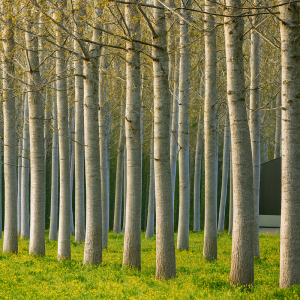
Habit: A deciduous tree known for its dense, bushy habit and attractive pleated leaves. It can grow into a large tree or be easily trained into a formal or informal hedge, making it a popular choice for hedges. Hornbeams thrive in full sun to partial shade and are particularly valued for their year-round visual screening and wildlife benefits.
Foliage: Deciduous. It loses its leaves every year. It regrows leaves every Spring, as well as catkins. These leaves are around 5-8 cm, providing dense foliage which is great for privacy. The leaves will turn yellow in Autumn, before dropping off in late Winter and starting the whole cycle again.
Maintenance: Low. Just like with beech, if you trim the hedge in mid-summer, the winter leaves will be 'everciduous', meaning that they stay on the branches until next spring.
Feed: Hornbeam hedges only need fertilizing immediately after planting, or when they are showing signs of poor growth. Fertilization should take place in the Spring. (link here to sundries and options)
Detailed Information
AVAILABLE OCTOBER TO APRIL
Latin Name: Carpinus betulus
Common Name: Hornbeam
Origin: The Northern Hemisphere, particularly in Europe and parts of Asia.
Hardiness: Fully Hardy. Will survive unprotected outdoors in most areas of the UK, even in the harshest winters.
Growth: It can reach up to 12 metres in height and grows at a rate of 20-40 cm a year.
Sun: For robust growth, Hornbeam trees thrive in full sun, requiring 6-8 hours of direct sunlight each day. This exposure not only boosts their health but also enhances their overall vigour. While Hornbeams can tolerate partial shade, it’s essential to understand that this can impact their growth. In shaded areas, you may notice slower development and less vibrant foliage, which can affect the tree’s overall aesthetic.
Exposure/Position: Tolerant of damp, heavy soil and shade. A solid, trimmed hornbeam hedge can stand alone in a formal garden with little to distract from it, or can be used behind a mixed border to focus attention on the flowers by providing a consistent, green background.
Soil: Will thrive in almost all soils, unless it is completely waterlogged all year, but prefers a well-drained rich soil. It will grow more slowly and a bit less luxuriantly, but happy nonetheless.
Moisture: Water your Hornbeam hedge vigorously straight after planting. After that, you should only water on dry winter days. Whilst Hornbeam hedging does grow in damp soil, it doesn’t like waterlogged soil.
Habit: A deciduous tree known for its dense, bushy habit and attractive pleated leaves. It can grow into a large tree or be easily trained into a formal or informal hedge, making it a popular choice for hedges. Hornbeams thrive in full sun to partial shade and are particularly valued for their year-round visual screening and wildlife benefits.
Foliage: Deciduous. It loses its leaves every year. It regrows leaves every Spring, as well as catkins. These leaves are around 5-8 cm, providing dense foliage which is great for privacy. The leaves will turn yellow in Autumn, before dropping off in late Winter and starting the whole cycle again.
Maintenance: Low. Just like with beech, if you trim the hedge in mid-summer, the winter leaves will be ‘everciduous’, meaning that they stay on the branches until next spring.
Feed: Hornbeam hedges only need fertilizing immediately after planting, or when they are showing signs of poor growth. Fertilization should take place in the Spring. (link here to sundries and options)
How many plants do I need?
40-60cm = 7 plants per metre
60-80cm = 7 plants per metre
80-100cm = 5 plants per metre
120-150cm = 5 plants per metre
Planting
…