
ACRES Scheme – Tree Belts for Ammonia Capture from Farmyards
€30.00 inc VAT
You save
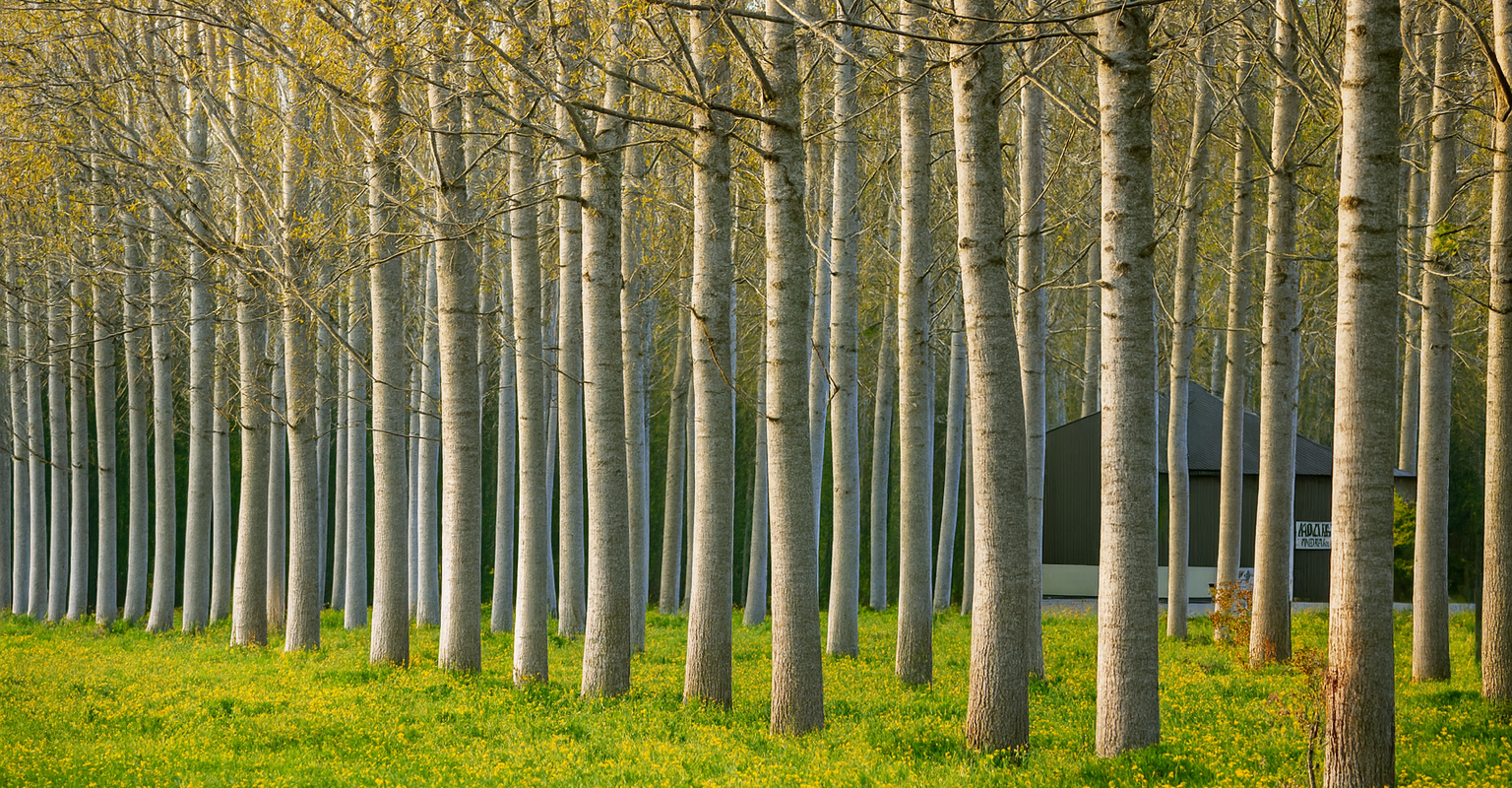
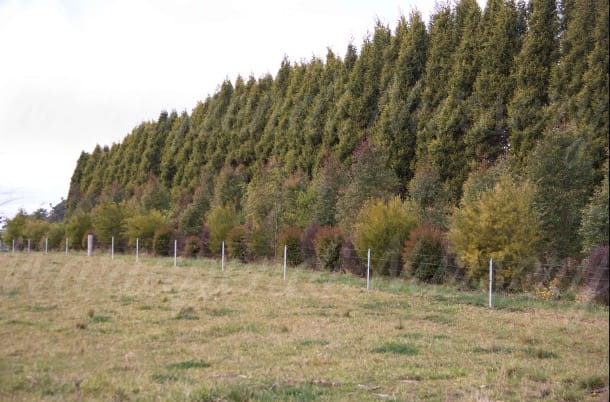
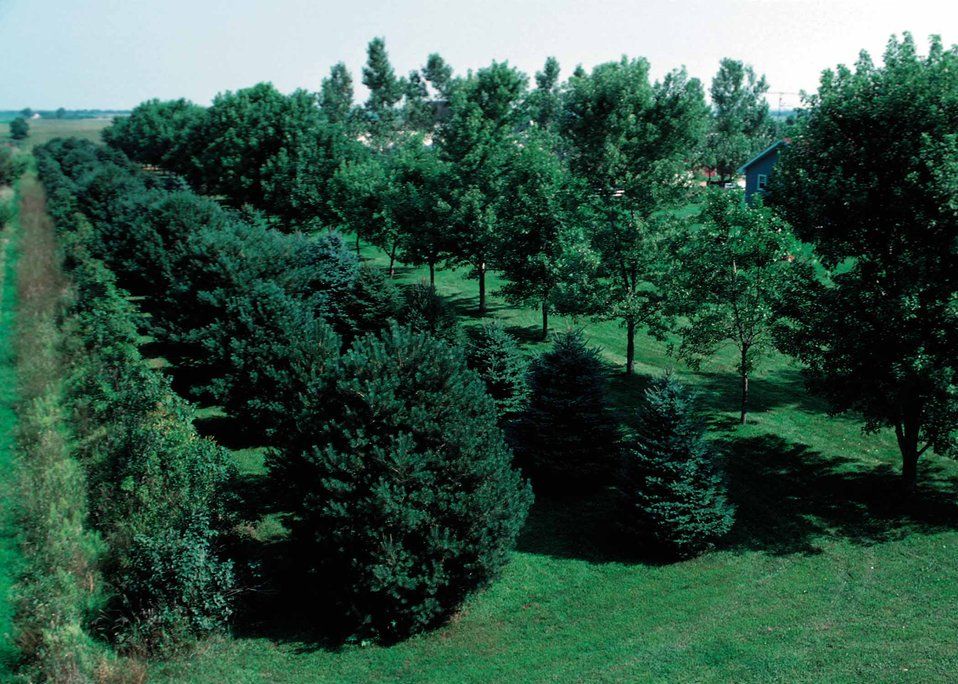
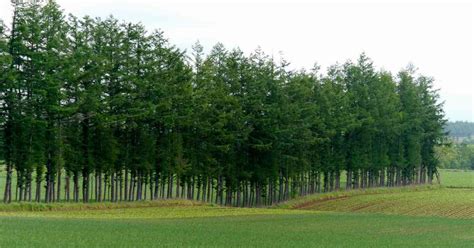
The ACRES Scheme under the Agri-Climate Rural Environment (ACRES) initiative in Ireland includes tree belts for ammonia capture from farmyards. This initiative aims to reduce ammonia emissions, which are harmful to air quality and the environment. Here are the key points regarding tree belts for ammonia capture under the ACRES Scheme:
Site Suitability: Tree belts must be sited adjacent to livestock housing or slurry storage facilities and should be suitable for the chosen tree species. They are not permitted on NPWS designated sites, Breeding Wader Hotspots, semi-natural grasslands, Annex 1 grasslands, and within archaeological monument buffer zones.
Fencing Requirements: The minimum depth of shelterbelt is 30 metres, and the minimum parcel area is 0.18 hectares. The maximum area for payment is 0.5 hectares, which includes the area of the tree belt planted and the perimeter fencing.
Tree Planting Specification: Farmers must plant at least one tree every 50 metres and let mature without cutting. The trees must be protected with a tree guard or shelter. Grass and other vegetation must be controlled around the trees annually to aid establishment.
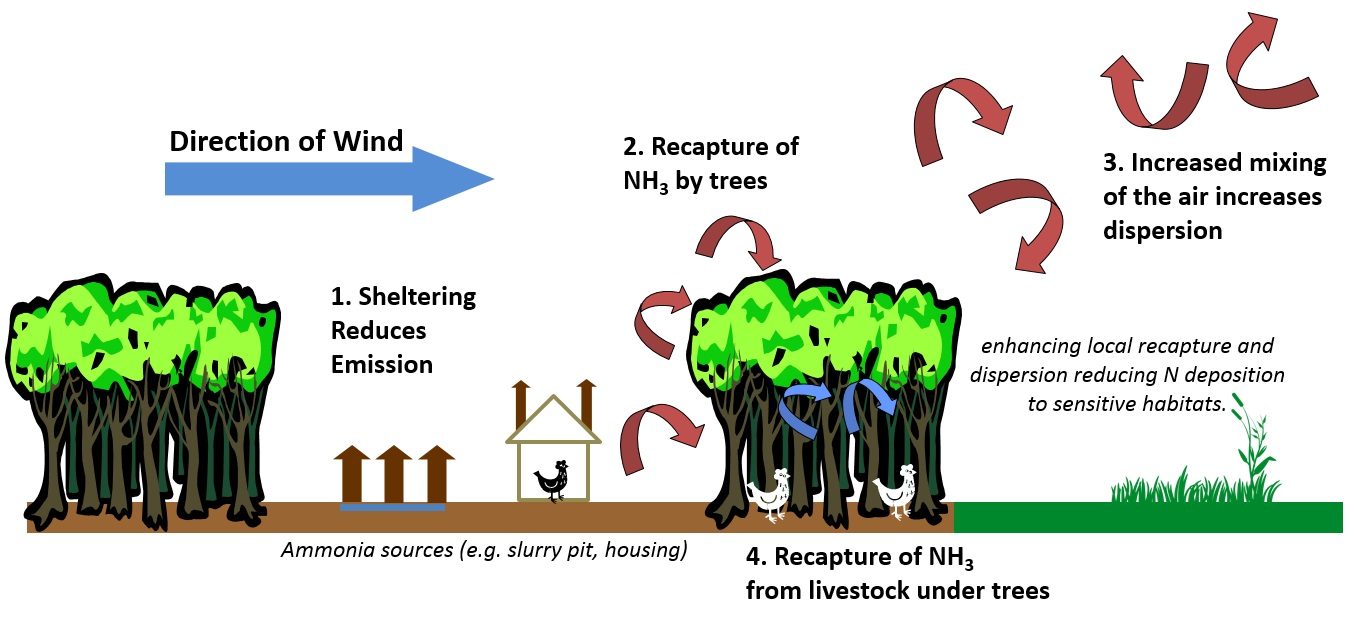
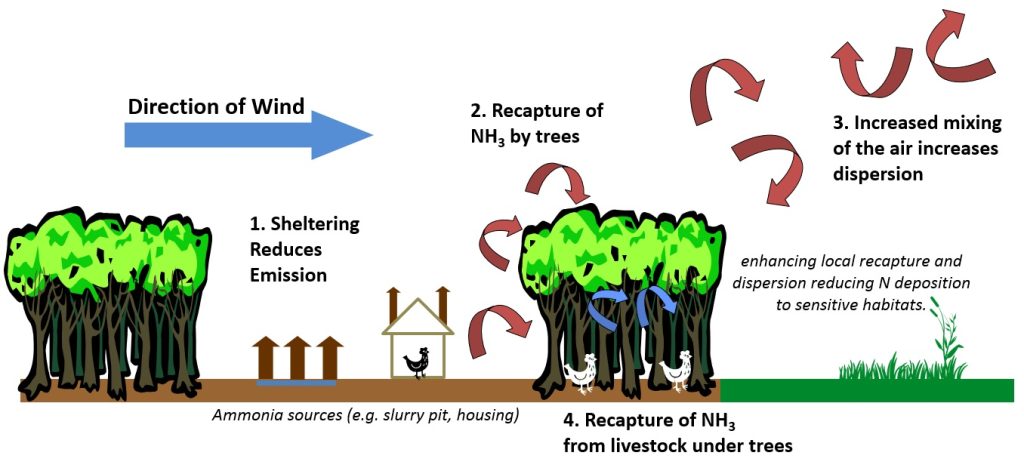
Benefits: Tree belts can recapture ammonia emissions from animal housing units or areas where animals roam free range under the canopy, reducing atmospheric nitrogen deposition and associated environmental impacts.
Choose from the drop down menu below. The more you buy the more you save!!
- Description
- Detailed Information
- How many plants do I need?
- Planting
- Aftercare
- ACRES General Verses ACRES Co-operation
Detailed Information
Tree Belts for Ammonia Capture from Farmyards
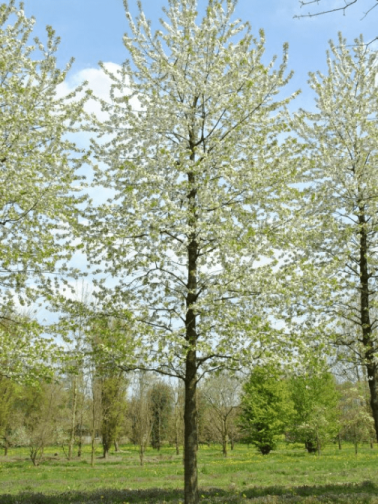
To protect water quality by enhancing nutrient uptake while also supporting biodiversity. To capture ammonia emissions from livestock housing or uncovered slurry stores by directing the emissions into the tree belt and through the main canopy.
| Tree Species for the Main Canopy | |
| Common Name | Scientific Name |
| Alder | Alnus glutinosa |
| Silver Birch | Betula pendula |
| Downy Birch | Betula pubescens |
| Hazel | Corylus avellana |
| Holly | Ilex aquifolium |
| Crab Apple | Malus sylvesteris |
| Scots Pine | Pinus sylvesteris |
| Wild Cherry | Prunus avium |
| Bird Cherry | Prunus padus |
| Sessile Oak | Quercus petraea |
| Pedunculate Oak | Quercus robus |
| Rowan | Sorbus aucuparia |
| Goat Willow | Salix caprea |
| Grey Willow | Salix cinerea |
| Tree Species for the Backstop | |
| Scots Pine | Pinus sylvesteris |
| Holly | Ilex aquifolium |
How many plants do I need?
ACRES APPROVED
Requirements
- This action can be delivered on a full or split LPIS parcel. Where the action is selected on a split LPIS, it must be digitised and marked on the map submitted.
- The minimum depth of the shelterbelt is 30 meters. The minimum parcel area is 0.18
hectares and the maximum area for payment is 0.5 hectares. - Planting of the tree belt must be completed by 31 March 2024.
- The tree belt must be fenced off to protect from livestock at least 1.5 meters out from perimeter trees.
- Purchased trees must be a minimum of 60cm in height and planted at a minimum of 3
meter spacing between each tree. - A minimum number of trees is 1/10m2 of the tree belt area.
- Plants must be of Irish Origin or Irish Provenance and purchased from DAFM-registered professional operators.
- Plant passports are retained for the duration of the contract.
- Plant at least 3 species from the approved list & not more than 25% to be Scots Pine.
- Grass and weeds must be controlled around the trees annually.
- Planting cannot take place within the vicinity of overhead wires, 20 m of railway, or 60 m of neighbouring dwellings. The max distance from the livestock shed to the tree belt is 50m
Planting
When planting, we recommend adding a sparing amount of bone meal to the soil. Rootgrow is also very effective for speeding up establishment. If you have a good supply of horse manure, this can be used provided it is well rotted and crumbly., Mix it in well, and don’t use too much.
We have a useful How To Plant a Hedge guide with lots of tips on getting the best from your plants. We also send a printed copy with your plants, so you have it to hand.
Aftercare
For the continued healthy growth of your trees, shrubs or hedging it is vital that you follow the advice below.
Watering
The main reason that plants die within 12 months of having been planted is lack of water. It is essential throughout the spring and summer, to give a heavy enough watering to enable the water to penetrate right down to the deepest root level of the tree. In hot dry spells give the equivalent of 2 bucketfuls every three days.
Weed Control
One of the most common causes of lack of water is competition from grass. When trees are first establishing, the grass roots would be at the same level as the tree roots and are far more efficient at taking up water and thus choke the tree. It is vital that for at least 3 years after planting your tree or hedge has a circle or strip one metre wide completely free of grass.
- Mulch mats are an effective way to stop grass and weeds, although they will require a careful eye to make sure they continue to work. After clearing the ground around the tree, firmly fit the mat by tucking the edges into the soil and put a thick layer of bark mulch on top of this. Be careful not to allow the woodchip to touch the stem as it can cause rot.
- Weed killer is very effective, however it is harmful to the environment. Organic weed killers usually do not kill roots. Weed killer needs to be applied each year for the first 3 years, preferably when the tree is dormant, or just once before applying a mulch mat.
- Mowing or strimming is NOT an answer to the problem. Each time you mow, the grass will grow back more vigorously and strimming invariably leads to lacerated trunks.
Staking
If trees are not correctly secured they will rock in the planting pit. Roots not firmly in contact with the soil are unable to take up moisture and nutrients, resulting in die back or death of the tree. Check, particularly after windy weather, that stakes are still solidly in the ground keeping the base of the trunk firm. The purpose of the stakes is to anchor the roots. Flexing in the wind, higher up the trunk, is not necessarily a problem if the roots are firm.
Bellow is list of the correct system to use to secure your trees.
- 40/60, 60/80, 80/100 whips – Unless rabbit/deer problem no need to stake.
- 100/125, 125/150 1.2m Cane and Easi tie.
- 150/175 1.2m square stake and a buckle tie and spacer.
- 175/250, 6/8, 8/10 15L 1.65 Tree stake and a buckle tie and spacer.
- All larger trees. 2 x 1.65 Tree stake and cross rail with 38mm cushion spacer and 1m of 38mm strapping.
Ties
Always use our recommended tree ties or strapping. These are designed and manufactured with the correct amount of give to hold the tree firm without strangling it. They should be checked at the end of each growing season for adjustment as the trunk thickens. Non proprietary materials such as baler twine will cut into the bark and should not be used.
Protection from Animal Damage
Rabbits, deer, sheep, cattle and horses can all potentially damage trees. Ask us for advice on the most appropriate guards for your trees or hedge. Squirrels are also a terrible pest when trees get to about 20ft tall but there is no protection available.
If you have any other questions about our ACRES Scheme Plants, please do drop us an email, or call our team of hedging experts on +353 44(0)9606864
ACRES General Verses ACRES Co-operation
The difference between ACRES General and ACRES Co-operation
General: available nationally (outside of the high priority geographical area defined for the ACRES Co-operation approach) and offers a range of actions for individual farmers, both targeted and general.
Co-operation: available to farmers in defined high priority geographical areas, and involves results-based payments as well as bespoke farm and landscape actions. Contracts have been awarded for the management of Co-operation Projects (CP), and farmers will be supported by new teams, who will develop local action plans for their zones.
Check out map of each of the zones and the teams who will manage them: