Leylandii (Cupressocyparis leylandii)
Price range: €10.00 through €165.00 inc VAT
You save
Latin Name: Cupressocyparis leylandii
Common Name: Green Leylandii, Leyland Cypress
Origin: United Kingdom
Hardiness: Very hardy and wind tolerant. They will take a certain amount of salt exposure but will not normally tolerate being right on the coast.
Growth: 1m per year if left unpruned. Eventual size Up to 10 metres, but can be pruned.
Sun: Full sun right through to dense shade
Latin Name: Cupressocyparis leylandii
Common Name: Green Leylandii, Leyland Cypress
Origin: United Kingdom
Hardiness: Very hardy and wind tolerant. They will take a certain amount of salt exposure but will not normally tolerate being right on the coast.
Growth: 1m per year if left unpruned. Eventual size Up to 10 metres, but can be pruned.
Sun: Full sun right through to dense shade
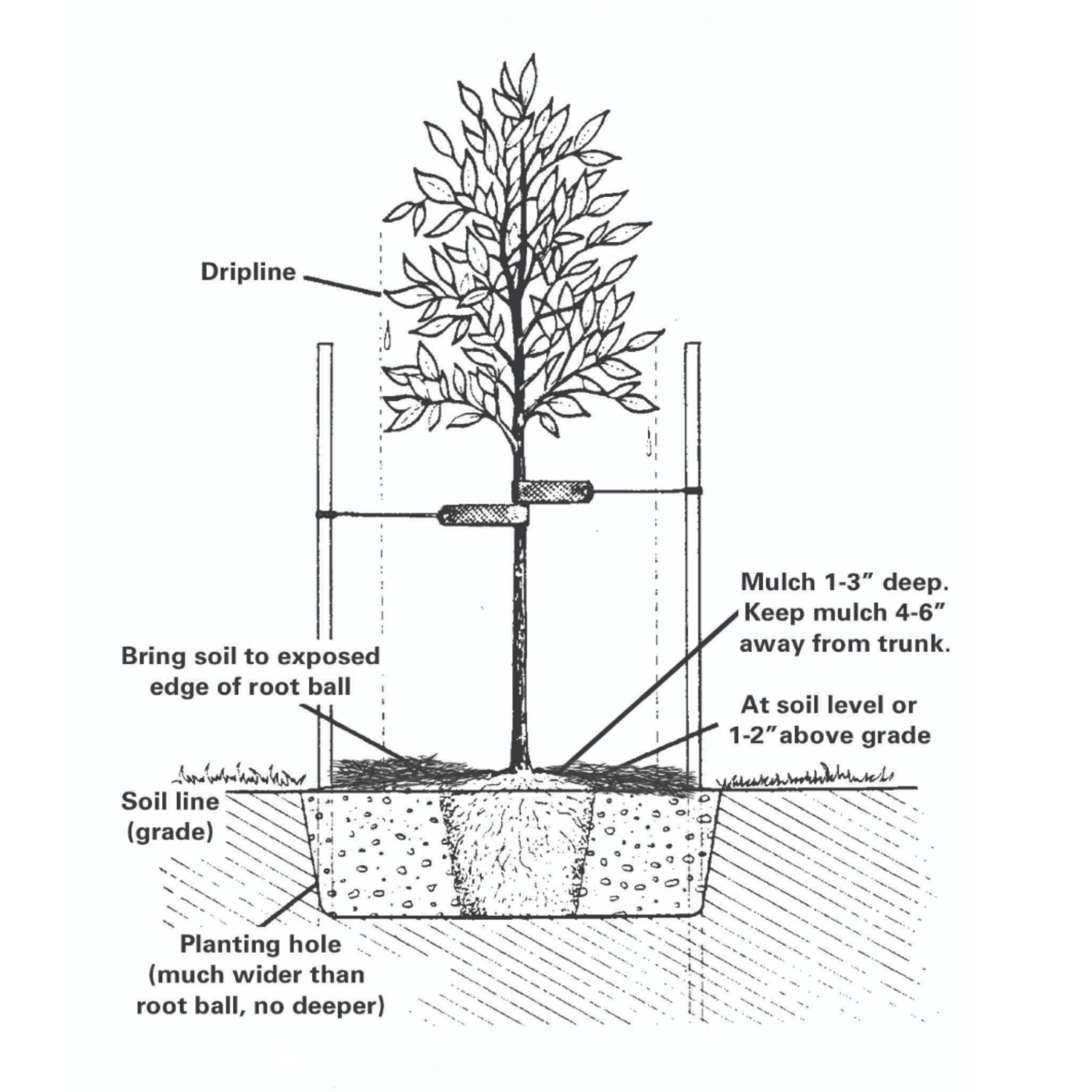
Exposure/Position: Plant a Leyland cypress hedge in a single row in any reasonable, well prepared soil in sun or partial shade. Ideally plant in autumn or early spring and water during dry spells during the first growing season.
Soil: Any free-draining soil. It is also tolerant of wet soils but will not grow where the soil is water-logged for long periods.
Moisture: Water well and keep it watered especially during the summer months. You must ensure that the roots never dry out until the plant has a good root system in the ground.
Habit: Leyland cypress grows extremely vigorously, easily reaching heights of 10m in as many years, and several metres wide.
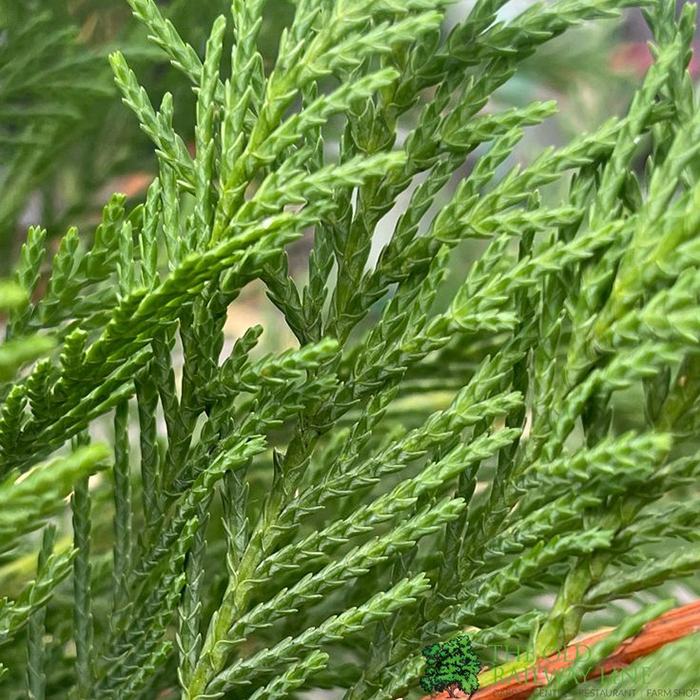
Foliage: Evergreen
Maintenance: Low. Regular trimming keeps Leylandii neat and manageable, or it can be left to grow out for a more rustic, shaggy appearance.
Feed: Regularly once a fortnight with a balanced fertilizer between May to October (link here to sundries and options)
How many plants do I need?
We recommend the following number of plants per metre for each plant size:
3 litre 4 per metre
10 litre 3 per metre
45 litre 2 per metre
Detailed Information
.
Planting
Planting Green Leylandii Hedging (Cupressocyparis Leylandii) Successfully
Green Leylandii is tolerant of most soils and conditions, making it a relatively easy plant to grow. When planting your green leylandii hedge, we would recommend planting them at a density of 2-4 per metre depending on the size you choose to start at. Plants closer together will create a hedge faster but ensure that the roots have enough room to spread. For more information and planting tips, check out our hedge planting guide.
For taller hedges and windbreaks (over 2 metres) the distance between the plants should be one quarter of the proposed height (so a proposed 4 metre hedge should have the plants set at 1 metre apart) in order to give these larger hedges room to grow.
They are hardy and tolerant of the most inclement planting situations making them a favourite for roadside planting. They are also particularly suitable for coastal sites as they will cope with both wind and salt, and are much favoured by landscapers for using in parkland areas to provide shelter.
There is also no best time of year to plant Green Leylandii hedges, but the time of year you plant them will depend on the level of care that is required. For example, if you plant your hedges in the growing season (March-September), your Cupressocyparis Leylandii will almost certainly require watering to ensure the roots don’t dry out. If you plan to plant them in the winter months (October to February), they’ll require much less watering compared in the following summer months, as they will have had time to grow strong, established roots although it is still important to consider watering your new Green Leylandii hedges for the first 12 months if conditions are dry.
Aftercare
Cupressocyparis Leylandii, commonly known as Green Leylandii, is often chosen by gardeners due to the extremely fast growth rate that makes it the UK’s fastest-growing conifer. It can grow up to 3ft (90cm) a year in the ideal conditions! Despite its high growth rate, Green Leylandii hedging can be trimmed as required, at least once but up to 2-3 times a year for a really dense and neat hedge, and as a result, can be shaped and cultivated to the height and shape of your choosing.