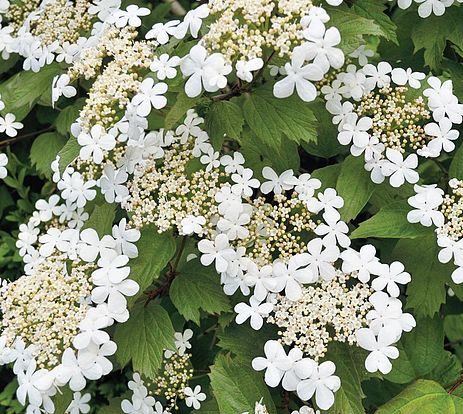


Viburnum opulus (Guelder Rose)
Price range: €1.50 through €3.90 inc VAT
You save
AVAILABLE OCTOBER TO APRIL
Latin Name: Prunus spinosa
Common Name:
Origin: Northern Europe
Hardiness: Fully Hardy. Will survive unprotected outdoors in most areas of the UK, even in the harshest winters.
Growth: British native fast-growing species, putting on 40-60cm per year, makes a medium-sized hedge up to 3m (10ft) in height. Can easily be kept at a lower height of between 1.4-2.5m (5-8ft) if trimmed. Hawthorn has a looser, less formal appearance when trimmed occasionally, or left untrimmed. Leaving longer periods between trimming reduces maintenance and often improves spring blossom.
Sun: Full sun or part-shade.
AVAILABLE OCTOBER TO APRIL
Latin Name: Crataegus monogyna
Common Name: Hawthorn, Thorn, Midland Hawthorn, Woodland Hawthorn, English Hawthorn, Whitethorn, Quickthorn, Quick, May Blossom, May Tree, Mayflower, Thornapple, Hawberry
Origin: Northern Europe
Hardiness: Fully Hardy. Will survive unprotected outdoors in most areas of the UK, even in the harshest winters.
Growth: British native fast-growing species, putting on 40-60cm per year, makes a medium-sized hedge up to 3m (10ft) in height. Can easily be kept at a lower height of between 1.4-2.5m (5-8ft) if trimmed. Hawthorn has a looser, less formal appearance when trimmed occasionally, or left untrimmed. Leaving longer periods between trimming reduces maintenance and often improves spring blossom.
Sun: Full sun or part-shade.
Exposure/Position: Very tough, tolerating exposed positions and wet soils. Ground that is frequently waterlogged should be avoided though, as these conditions are likely to rot the roots. This makes it an excellent choice for privacy screening, boundary planting, and wind protection. It also makes an effective intruder-proof hedge thanks to its strong framework and long, sharp thorns.
Soil: A hardy plant and will grow on a range of soils.
Moisture: Watering is key to successful establishment. Pay particular attention to this during dry weather. Direct water toward the base of the plant, thoroughly soaking this area, so water gets down to the roots. Continue to monitor watering during dry periods for the first three growing seasons after planting.
Habit: Its dense, thorny habit and can grow as a small tree or shrub, reaching heights of up to 15 meters. It features deeply lobed leaves, white or pink flowers, and produces red fruits known as 'haws' in autumn. The hawthorn is an important habitat for wildlife, providing food and shelter for birds and other insects, and is often used as a hedging plant due to its thorny branches.
Foliage: Deciduous. They shed their leaves in autumn and regrow them in spring.
Maintenance: Low. Once established, to maintain a formal look, cut your hedge twice or more from late spring to summer. A last cut in early autumn will keep it looking neat overwinter. To maintain the tapered shape, when cutting, aim for a flat-topped A-shape with the base about 1m (3⅓ft) wide. For a more informal look, which can help to encourage wildlife and more blossom and berries, cut your hedge once, or every other year.
Feed: Aren't heavy feeders, but a general purpose fertiliser, or blood, fish and bone applied in early spring (February) often gives newly-planted hedges and trees a boost during the growing season. Once established, if the hedge or tree is growing well, this should be discontinued. (link here to sundries and options
How many plants do I need?
40-60cm = 7 plants per metre
60-80cm = 7 plants per metre
80-100cm = 5 plants per metre
120-150cm = 5 plants per metre
Planting
Grow Viburnum opulus in any moist, but well drained garden soil in full sun or partial shade, plants will tolerate exposed and coastal areas quite successfully too.
These plants are lifted from the nursery field when dormant, and sent to you in late autumn or spring for planting. They often look dead on arrival, but they are just resting in the dormant period and will establish quickly for a strong start in the garden come spring. Set out in prepared soil in holes wide enough and deep enough to lay out the roots. Tread down the planting soil to knock out air pockets. Water well to settle. Apply a mulch to protect roots from cold temperatures. If conditions prevent immediate planting, set roughly into loose soil or a pot of compost (‘heeling in’) to protect the roots. Set these at the same level as they were in the nursery field – you should see a soil line at the base of the stem. Stake trees, taller shrubs and roses to prevent root disturbance.
Aftercare
In terms of pruning, ensure your Viburnum Opulus is trimmed after it flowers to get the most from your plant. You can view more tips and advice about planting, trimming and pruning, fertilisation and more from our knowledge base.