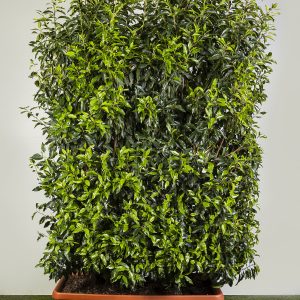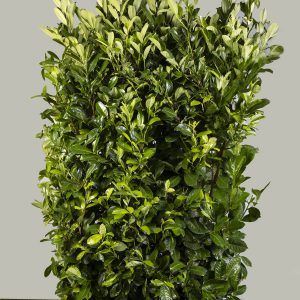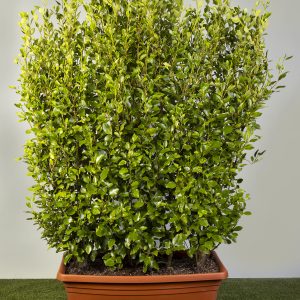
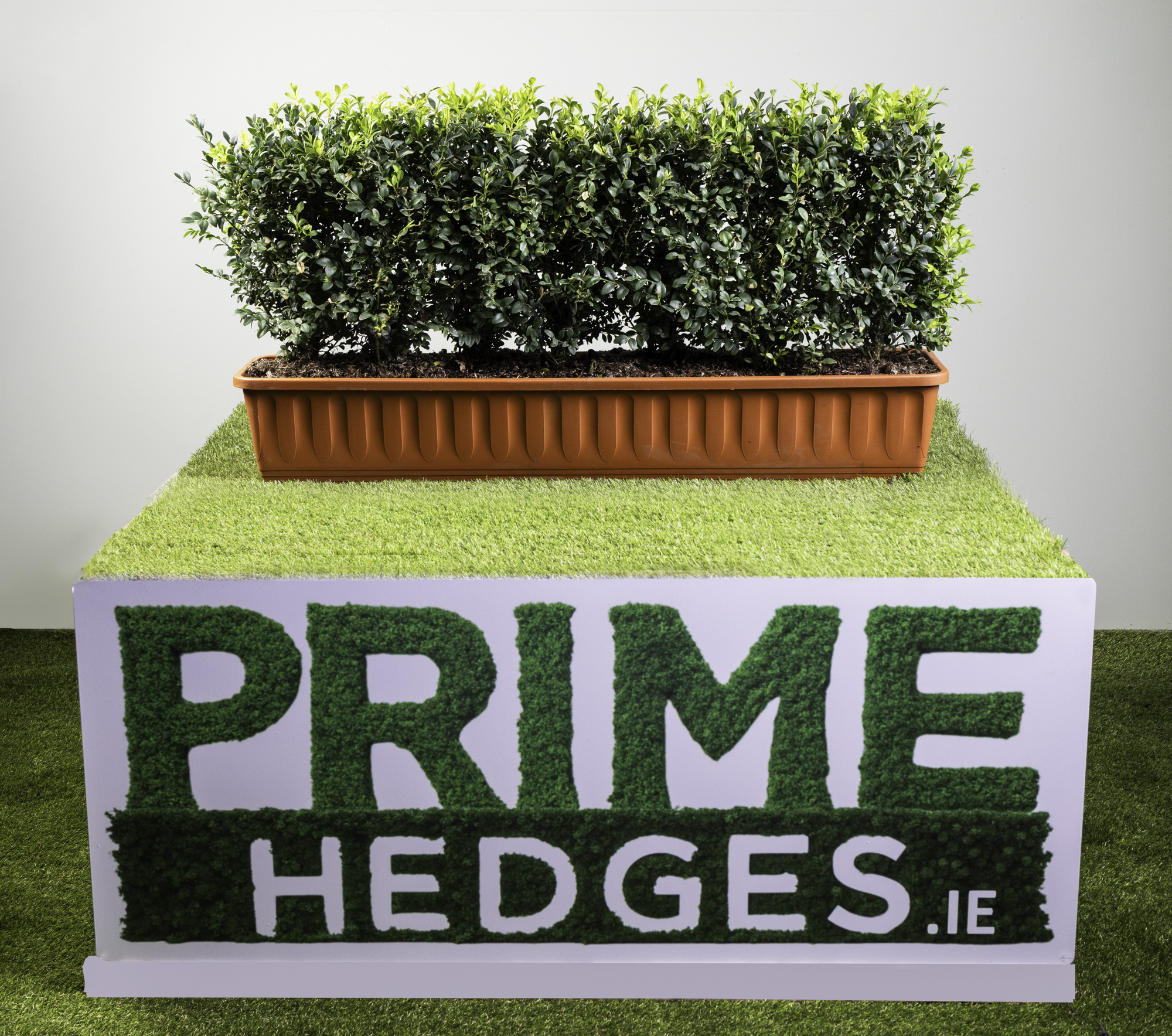
Buxus sempervirens
Price range: €89.00 through €269.00 inc VAT
You save
Latin Name: Buxus sempervirens
Common Name: Box plant, Box hedge, Common box, European box, or Boxwood.
Origin: Western and southern Europe, northwest Africa, and southwest Asia, from southern England south to northern Morocco, and east through the northern Mediterranean region to Turkey
Hardiness: Fully Hardy. Will survive unprotected outdoors in most areas of the UK, even in the harshest winters.
Growth: 10-15cm per year means it requires minimal upkeep, only needing an occasional prune to keep its shape. Box hedge plants are pollution-tolerant, making them well-suited to urban environments like town or city gardens. They thrive in most well-drained soils, and although they prefer full sun or partial shade, they can also tolerate some dappled shade.
Sun: Prefer full sun or partial shade, they can also tolerate some dappled shade.
Latin Name: Buxus sempervirens
Common Name: Box plant, Box hedge, Common box, European box, or Boxwood.
Origin: Western and southern Europe, northwest Africa, and southwest Asia, from southern England south to northern Morocco, and east through the northern Mediterranean region to Turkey
Hardiness: Fully Hardy. Will survive unprotected outdoors in most areas of the UK, even in the harshest winters.
Growth: 10-15cm per year means it requires minimal upkeep, only needing an occasional prune to keep its shape. Box hedge plants are pollution-tolerant, making them well-suited to urban environments like town or city gardens. They thrive in most well-drained soils, and although they prefer full sun or partial shade, they can also tolerate some dappled shade.
Sun: Prefer full sun or partial shade, they can also tolerate some dappled shade.
Exposure/Position: Box hedge plants are pollution-tolerant, making them well-suited to urban environments like town or city gardens.
Soil: Happy growing in a sunny spot but the combination of dry soil and full sun may encourage poor growth and leaf scorching. If you have sandy soil, it is best to keep it in a partially shady spot in the garden.
Moisture: Water Buxus topiary after planting to thoroughly moisten the surrounding soil. Water the tree/Hedge regularly during the growing season to encourage it to form a strong, healthy root system. Be careful never to allow the topiary to dry out in hot weather when growing in containers – if it dries out even once it could die.
Habit: Bush evergreen shrub or small tree growing 1 to 9 m (3 to 30 ft) tall, with a trunk up to 20 centimetres (8 in) in diameter. Buxus in a bright spot in your garden that receives between four and eight hours of sunlight each day.
Foliage: Evergreen
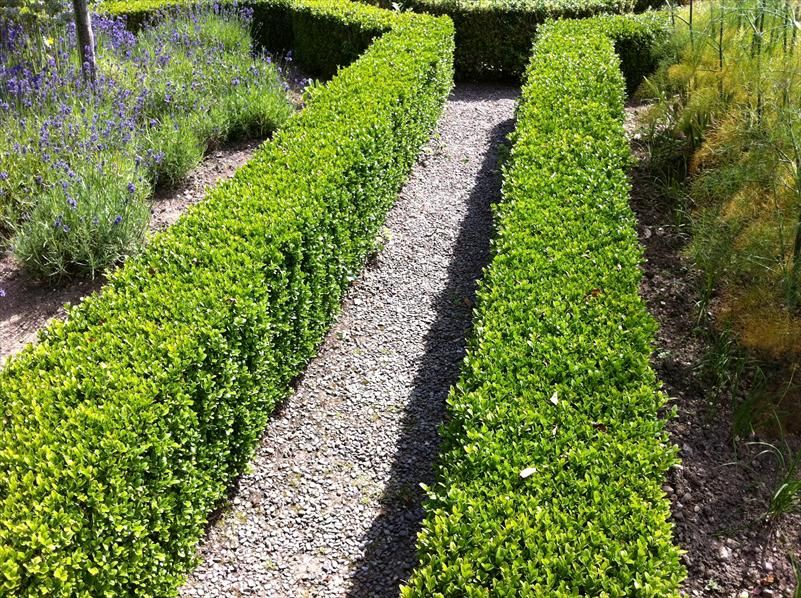
Maintenance: Low. Versatile and a low-maintenance choice, Box hedging is perfect for trimming into neat borders, low hedges, and even intricate topiary designs. Its slow growth rate of around 10-15cm per year means it requires minimal upkeep, only needing an occasional prune to keep its shape.
Feed: Regularly once a fortnight with a balanced fertilizer between May to October (link here to sundries and options)
How many plants do I need?
We recommend the following number of plants per metre for each plant size:
20 litre 2 per metre
110 litre trough 1 per metre
Planting
Box hedging (also known as Buxus hedging or Boxwood hedging) is a classic, almost indispensable garden feature in Ireland – they’re one of our most popular hedge varieties, and it’s not hard to see why! They’re perfect for home gardeners and professional gardeners alike, all varieties are evergreen and easy to maintain. If you’re unsure which type of box hedging you require, get in touch with our boxwood hedge experts.
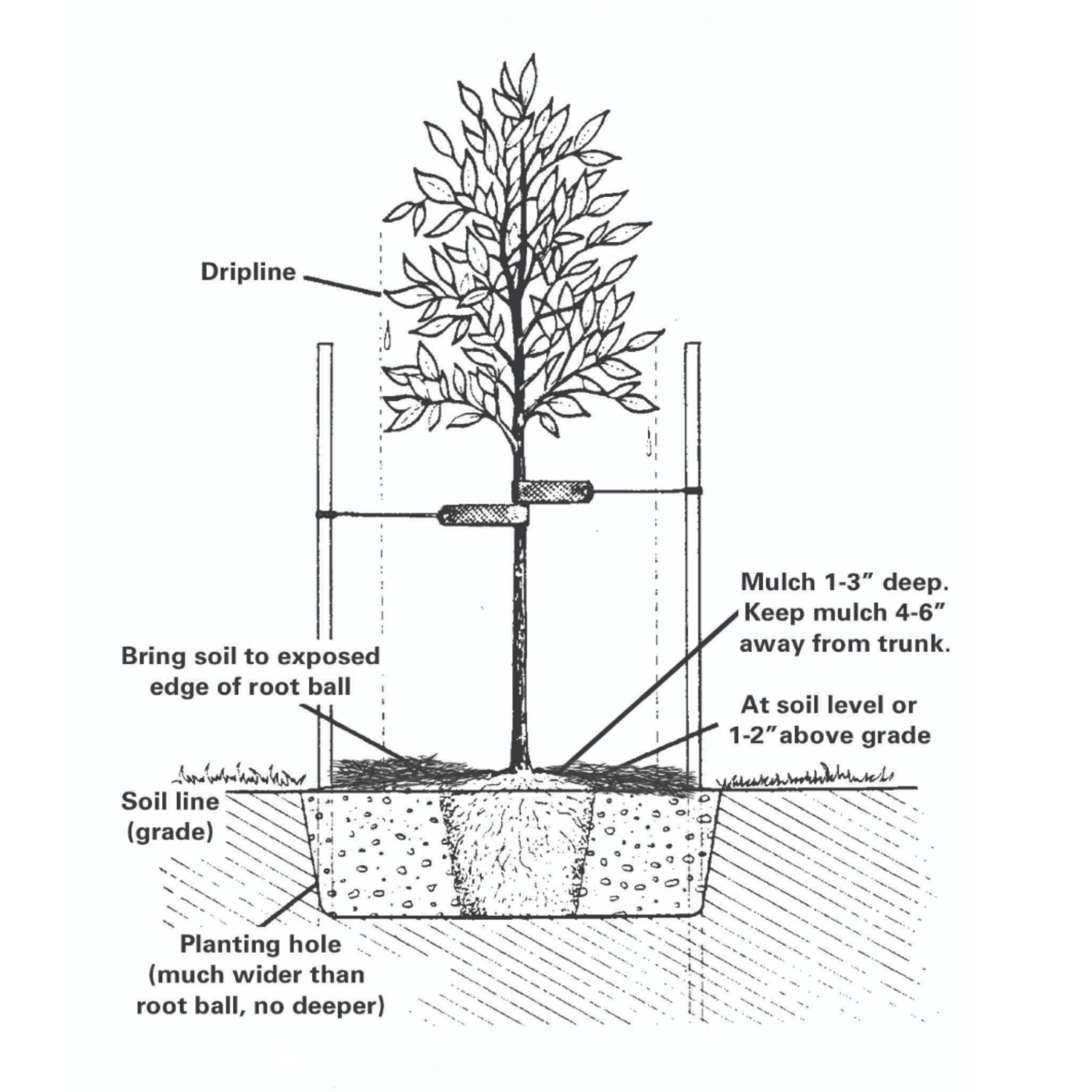
Common Box hedges will thrive in any soil that has good drainage, they appreciate good soil preparation and the generous addition of organic matter, especially on thinner sandy or chalky soils and an annual mulch in Spring will make them more resilient to longer dry spells of weather while promoting good general plant health and strong growth. Common Box hedging plants have a fleshy and shallow root system and so the mulch is of great benefit to the overall health of the plants.
Planting distances for Common Box hedging plants are very much a matter of personal preference, as a guide we recommend 3-6 plants per metre depending on your chosen plant size although you can space them a little further apart, they will just take a little longer to knit together. You can find our recommended planting density next to each of the sizes below. Generally speaking the shorter the height of the proposed hedge the more plants, you will need as very short hedges can really show up gaps at the bottom! (The good news is very small hedges only need the smallest plants and so they are comparatively inexpensive)
As with the planting of any new hedge, good preparation always gives the best results. We recommend the area is dug over and a generous amount of organic matter is well incorporated, garden compost or well-rotted manure are both ideal. When planting a well-mixed feed of Bone Meal will give the Common Box hedging plants a good start and we also recommend Rootgrow as a superb aid to establishment. If you need some guidance we have a useful How to Plant A Hedge page with full cultural instructions.
Aftercare
Common Box hedging plants make for a low maintenance hedge, Box hedges and topiary are traditionally trimmed on Derby day in early June, try and choose a dry and breezy day so the cut edges dry quickly, hand shears are better than a hedge trimmer giving a neater finish with fewer cut edges and so fewer potential entry points for fungi like Box Blight.
For a very sharp and formal look Common Box hedging plants and topiary can be trimmed more than once each season, we always advise that they are not cut too late however as any subsequent soft growth late in the Autumn can be damaged by hard frosts, not only looking rather unsightly but this can also be a focus for disease.
If you are growing your Common Box hedging plants as a border to a flower bed, vegetable patch or any other garden feature where the Box is enclosing other plants, its best to keep the Box separated from the other plants to ensure a good air flow. When the growth of flowers (or vegetables) become too large and luxuriant the Box can become swamped, remaining damp underneath favouring fungal diseases.
An annual spring feed with a high magnesium fertiliser is also beneficial, our After Plant Evergreen fertiliser is ideal and will keep the plants in tip top condition and a lovely dark green colour, and of course a mulch is always helpful.